Vulcanization Press
The specific design and features of a vulcanization press may vary depending on the manufacturer and the specific application. It is important to follow the manufacturer's guidelines and recommendations for proper operation, maintenance, and safety procedures to achieve optimal vulcanization results.
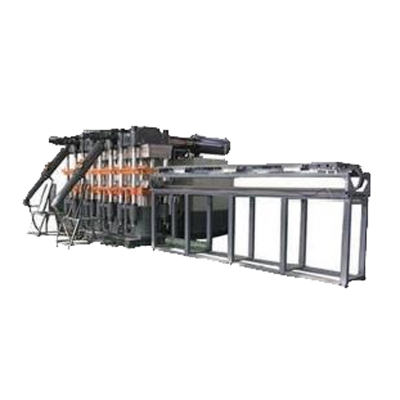
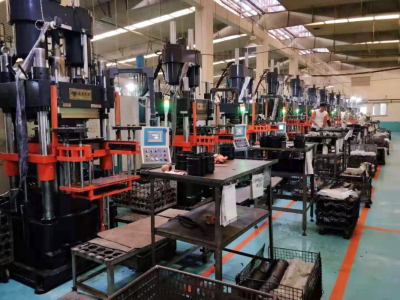
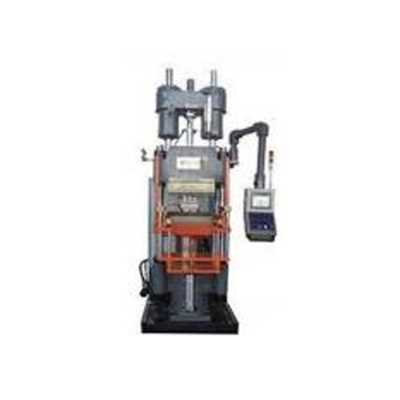
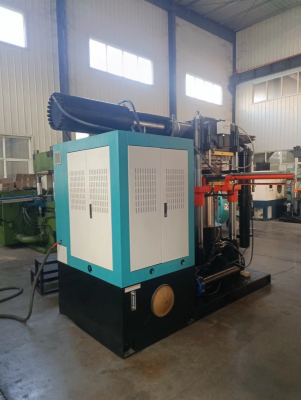
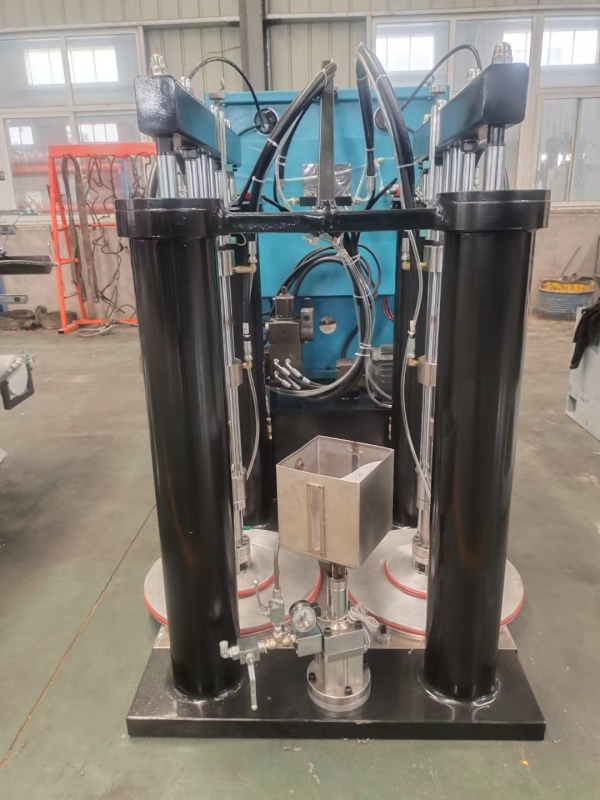
A vulcanization press is a specific type of hydraulic curing press used in the rubber industry for the process of vulcanization. Vulcanization is a chemical process that strengthens and hardens rubber by cross-linking polymer chains. A vulcanization press is designed to apply pressure and heat to the rubber material to facilitate the vulcanization process. Here are some key features and functions of a vulcanization press:
Hydraulic System: Similar to other hydraulic curing presses, a vulcanization press utilizes a hydraulic system to generate and control pressure. This ensures uniform pressure application on the rubber material during the vulcanization process.
Temperature Control: Vulcanization requires heating the rubber material to a specific temperature range to initiate the chemical cross-linking process. Therefore, a vulcanization press is equipped with heating elements or platens that can reach and maintain the desired temperature. Temperature control systems, such as thermostats or temperature controllers, are used to monitor and regulate the heat applied during vulcanization.
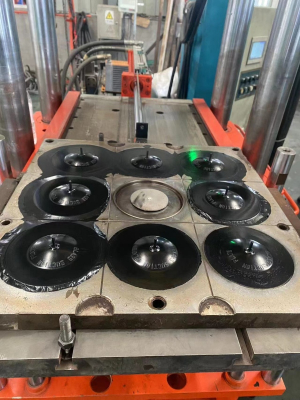
Mold Handling: A vulcanization press typically includes a mold or tooling system for holding the rubber material during the vulcanization process. The mold is designed to create the desired shape or form of the final vulcanized product.
Pressure and Time Control: Operators can set and adjust the pressure and curing time parameters on the vulcanization press. These parameters are crucial for achieving the desired properties and quality of the vulcanized rubber product. Control panels or interfaces are used to input and regulate the required pressure and curing time.
Safety Features: Just like any hydraulic press, safety features are integrated into a vulcanization press to ensure operator safety. Emergency stop buttons, safety interlocks, and protective guards are typically included to prevent accidents during operation.
Versatility: Vulcanization presses come in different sizes and designs to accommodate various rubber products and production requirements. They can be used for the vulcanization of rubber sheets, belts, hoses, gaskets, seals, and other rubber components.
The specific design and features of a vulcanization press may vary depending on the manufacturer and the specific application. It is important to follow the manufacturer's guidelines and recommendations for proper operation, maintenance, and safety procedures to achieve optimal vulcanization results.
型号Size | LBL-50F | LBL-100P | LBL-160P | LBL-200P | LBL-200V | LBL-300V |
锁模力(KN) | 500 | 1000 | 1600 | 2000 | 2000 | 3000 |
热板尺寸(mm) | 400x400 | 450x450 | 500x500 | 550x550 | 500x500 | 600x600 |
开模行程(mm) | 300 | 400 | 450 | 500 | 300 | 250 |
最小模厚(mm) | 60 | 60 | 60 | 60 | 50 | 50 |
装机容量(kw) | 12 | 18 | 20 | 20 | 42 | 51 |
机器尺寸(mm) | 1.4x1x1.7 | 2.1x1.8x2.1 | 2x1.9x 2.4 | 2.2x2x3 | 3.4x2.1x2.5 | 3.4x2.6×2.6 |
机器重量(Ton) | 3 | 4 | 4.5 | 5.5 | 10 | 14 |